Thursday, December 27, 2012

On Moving From Reactive-only Interventions to a Proactive System of Care: Redesigning our behavioral health system


+
These are challenging times. Kitsap Mental Health Services is at the forefront of a movement away from a "sick care" system to a "health care" system. A while back, Dale Jarvis came to present to KMH staff on heath care reform, as has been covered in a previous post here. Here is an op-ed that just appeared by the exec at KMHS Joe Roszak for the Kitsap Sun newspaper on the subject. -gw
+
Letters to the Editor
+
MY TURN | Strengthening our mental health care system
+
Joe Roszak is executive director of Kitsap Mental Health Services.
+
Published Wednesday, December 26, 2012
+
With yet another horrific tragedy resulting in the loss of many innocent, young lives, desperate discussions are focusing on how to prevent such events from ever occurring again. Out of the fevered discussions which encompass gun limits, bulletproof backpacks, improved building security measures, better threat assessments, arming professionals with lethal responses, slowly coming to the fore is the issue of mental health services.
+
The question is: "How can our community increase the capacity of our behavioral health care system?" The reasons to do so are clear. Mental Health and addictions are a public health priority. We know behavioral health prevention works. Mental illness and substance addiction is treatable. Very importantly, recovery is possible. Years of research and work in the field even tells us there are known effective individual, family, and community based strategies that can make our little corner of the world a safer and more compassionate place for all who live here. The constant challenge is being able to fiscally sustain the programs and services. The harsh economics of the past few years has taken a severe toll, not only on mental health services, but many other significant community safety net services. However, the success of behavioral health treatment and the value of prevention and early intervention have not been diminished over the years. We have the capability to provide effective treatment, what we lack is the capacity to do so.
+
Perhaps of most value is the ability to provide behavioral health screening and assessments for individuals. Much like preventive cancer screening, many mental illnesses can be effectively identified through a basic mental health exam. Screening and early intervention for children, teens, adults, and older adults at schools, primary care offices, emergency rooms, and other health providers for mental health and for alcohol and other substance use concerns can identify early on, depression, anxiety, other mental illnesses and substance use before they become more deeply rooted. Such screening can and should become routine, and followed by discussions regarding possible interventions and treatment, just like any other illness.
+

Friday, November 30, 2012

On Don't Take the Bait: Children's behavior that doesn't 'work' will stop


+
This is science --  behavioral science, based on decades of research. Source of this excerpt: a 2011 handout for parents for distribution by therapists trained here in Washington State in Cognitive Behavior Therapy Plus (CBT Plus). -gw
+
Almost all behavior is caused by an interaction between children and their environment. Humans learn by testing out different behaviors and finding out what happens—what do people do, or not do, in response? It is normal for children to want to get what they want immediately and normal for children to want to avoid unwanted situations or consequences. However, part of growing up is learning to be patient, ask nicely, share, and handle frustration or disappointment without making a huge fuss or being destructive. Children must also learn to separate from caregivers, take on age appropriate responsibilities, and consider other people’s feelings and wishes. These are the normal tasks of child development. The key teachers are caregivers and teachers, and it is NOT always easy!
+
Children sometimes learn lessons that we don’t want them to. For example, almost all caregivers have had the experience of young children whining or throwing temper tantrums to get attention or something they want at home or at a store. And almost all caregivers have the experience of children dawdling, delaying or not doing what they are told because they don’t want to stop an activity such as watching TV or talking on the phone. If children’s behavior (e.g., tantrum, yelling) “works,” meaning they get what they want (or get out of doing what they do not want to do) children will keep using the behavior, hoping it will “work” again.
+
There is an explanation for this pattern of behavior. The basic rule is that all behavior has a function or purpose. Behavior is intended to get something children want or get out of something children do not want. Children might want attention, power over their situation, or specific rewards (e.g., allowance, privileges). They might want to get out of chores, doing homework, or trouble. This rule is not just true for children, it is true for everyone. People go to work to get something such as a pay check and self esteem; people don’t answer the phone or sometimes tell small lies to avoid being hassled or hurting someone’s feelings. 

Thursday, November 8, 2012

On 'God Don't Make No Junk': Most 'junk' DNA consists of regulatory proteins

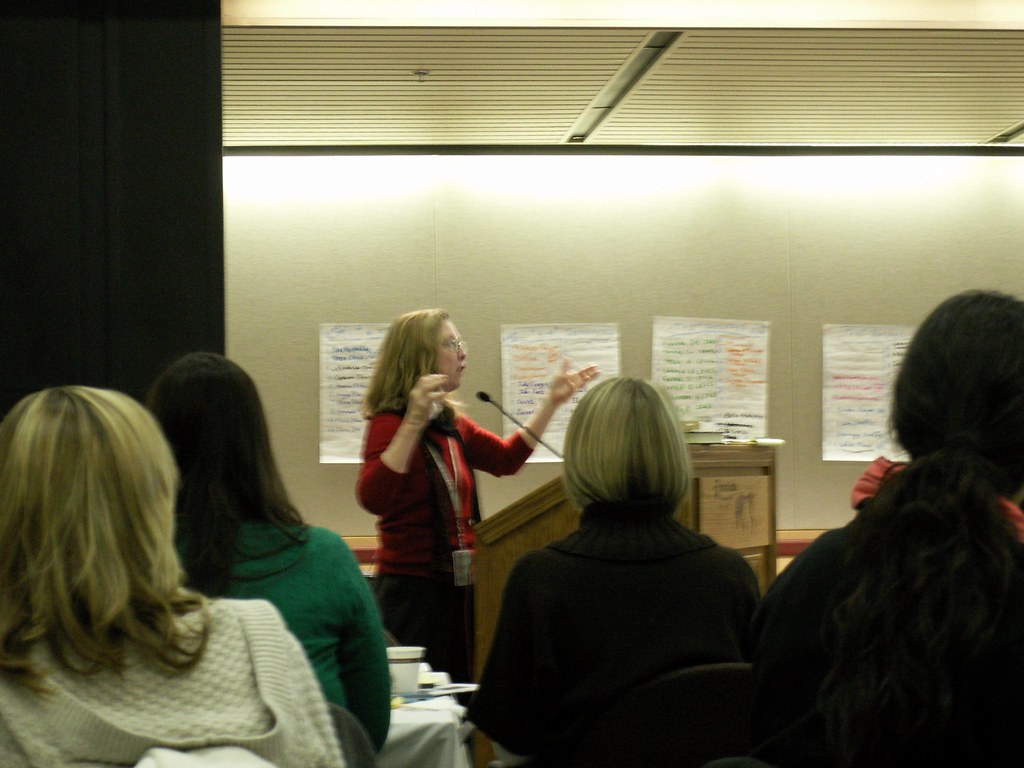
A repudiation of the idea of "junk DNA" has been all over the science news recently. (Music lovers may remember the a certain music album linked below that incorporates the idea in a well-known colloquial expression.) Speaking on maternal mental health, here is Shawn Elmore, PhD, Associate Professor, Psychology and Community Health, University of Washington, speaking on "junk DNA" at the Symposium on Infant Mental Health in Mukilteo WA last month. -gw
+

+
God Don't Make No Junk (1994) is the name of the first album recorded by the American group The Halo Benders.

Wednesday, November 7, 2012

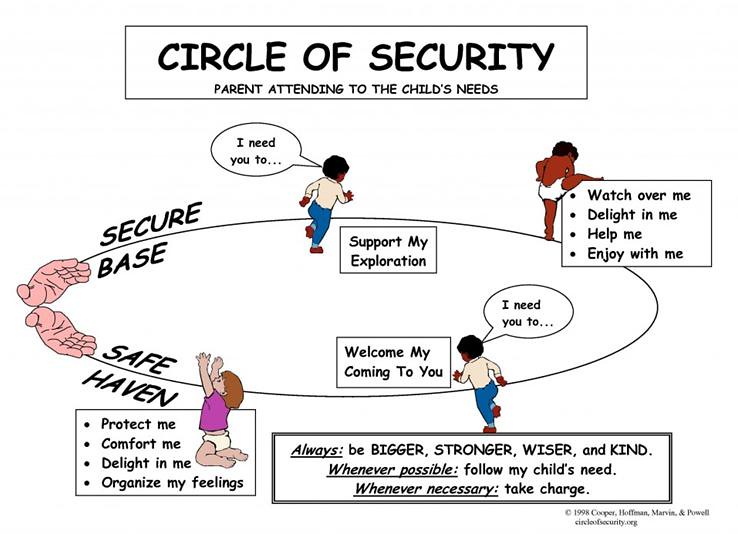
On Glen Cooper Presenting for the WA-AIMH Meeting: An originator of Circle of Security

The Washington Association for Infant Mental Health (WA – AIMH) has four general meetings a year, free to members. Membership is $40. The next meeting is Nov. 14 from 7 to 8:30 p.m. at Wellspring Family Services; 1900 Rainier Avenue South, Seattle, WA 98144 (map). -gw+

+
Glen Cooper, MA is one of the originators and trainers of Circle of Security International, an early intervention program for parents and children. He will present a Circle of Security case with video footage. Glen and his colleagues received the Governor’s Child Abuse Prevention Award in Washington State for their work in the Circle of Security® Project. He has presented workshops throughout the U.S., and in Canada, England, Uganda, New Zealand, Germany, and Australia. National and international audiences rate Glen highly for his warmth, kindness, humor, and ability to present complex material in a manner that is engaging and accessible.

Wednesday, October 31, 2012

On the Peninsulas Consultation Group Takes a Field Trip: Building camaraderie

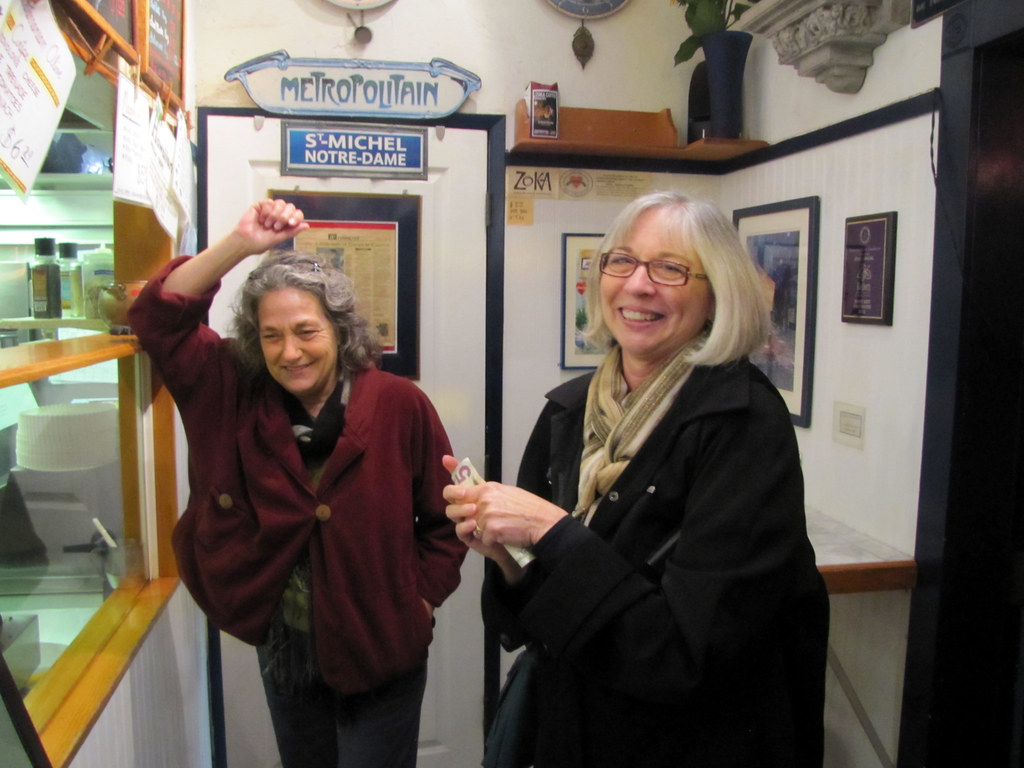
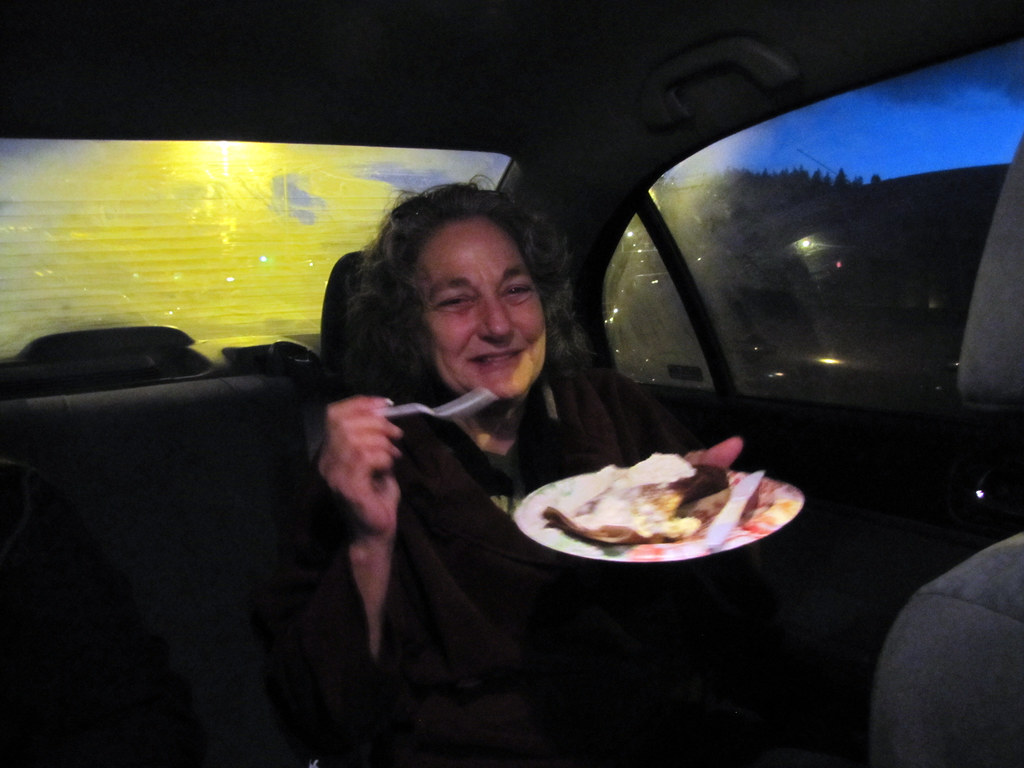
The ride to the Mukilteo conference and back was noteworthy for the sight-seeing and the relaxation it afforded. There is something about a ferry ride that makes any journey special. Before embarking we stopped at at creperie, and on our way back we were treated to a beautiful sunset, great for mental health.  -gw

Tuesday, October 30, 2012

On the Emergence of Screen Time As an Issue of Concern: What is best for baby's brains

Valuable screen time for junior youth
Valuable junior youth screen time

When I was a little kid the only screens I knew of were those over a window. Screen time was looking through one.
+

+
Then we got TV, although we were the last on the block. TVs have screens. I've spent a lot of time in front of a TV screen.
+
Junior youth recoil at the vulgarity of modern American TV

Then I started watching football and I began to hear of screen plays. At one point I was watching WAY too much football and, by percentage, way too many screen plays.
+

+
Then computers came along. Computers have screens. I'm looking at a screen right now. I would be scared to know how much time I spend looking at PC screens at work and at home. No wonder my eyes are going.
+
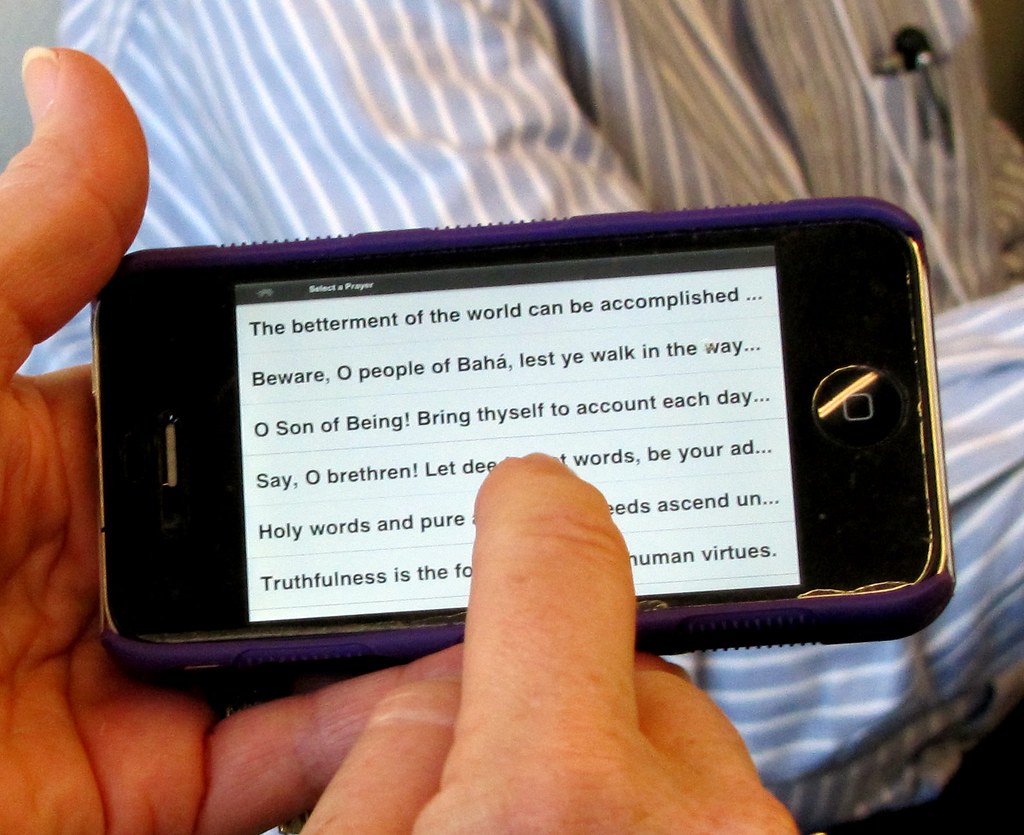
Then cell phones were invented with screens that started small but have gotten bigger. I got the small kind of screen still, I'm not smart enough or willing to pay for getting a phone with a bigger screen.
+

+
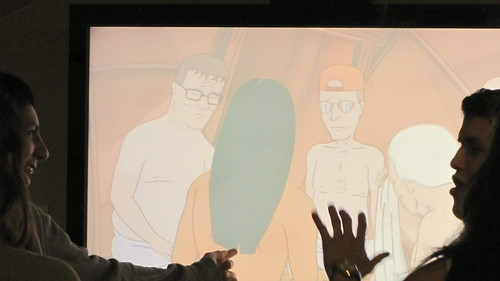
So today we live in a world filled with screens. If we are raising children, we are asked to monitor screen time, especially with young children. Watch TV with your children and interpret along the way -- provide "scaffolding" for them to understand what it is they are watching. That is best for brains, because their experience with the screen is in the context of their relationship with you. as this brief snippet from the recent symposium in Mukileteo on infant mental health suggests -gw
+